Choosing between a tsavo versus laikipia safari comes down to matching the landscape to the way you like to travel. Tsavo is a huge national-park ecosystem between Nairobi and the coast. Laikipia is a plateau of private and community conservancies, each with its own rules, wildlife and camps. This guide compares the two so you can decide which fits your priorities.
What Does a Tsavo versus Laikipia Safari Mean for Your Trip?
Choose Tsavo for a large, untamed national-park safari built around vehicle-based wildlife viewing, dramatic scale and red-dusted elephant country. Choose Laikipia for a private-conservancy safari with rhino conservation, fewer vehicles and activities such as guided walks, night drives and horseback excursions. Tsavo is broader and wilder; Laikipia is more flexible and curated.
Tsavo is actually two parks: Tsavo East and Tsavo West. The eastern half is famous for open plains, red elephants and the Yatta Plateau. The western side has volcanic cones, Mzima Springs and more bush.
Laikipia is not one park. It is a collection of ranches and conservancies, including Ol Pejeta, Lewa, Borana and Loisaba. Each has its own land-use model. Most combine wildlife conservation with livestock grazing and community programs. That structure changes what visitors can do.
If you are weighing a stay at one of Kenya’s best-known rhino sanctuaries, start with these essentials to know before visiting Ol Pejeta.
Which Has Better Wildlife, Tsavo or Laikipia?
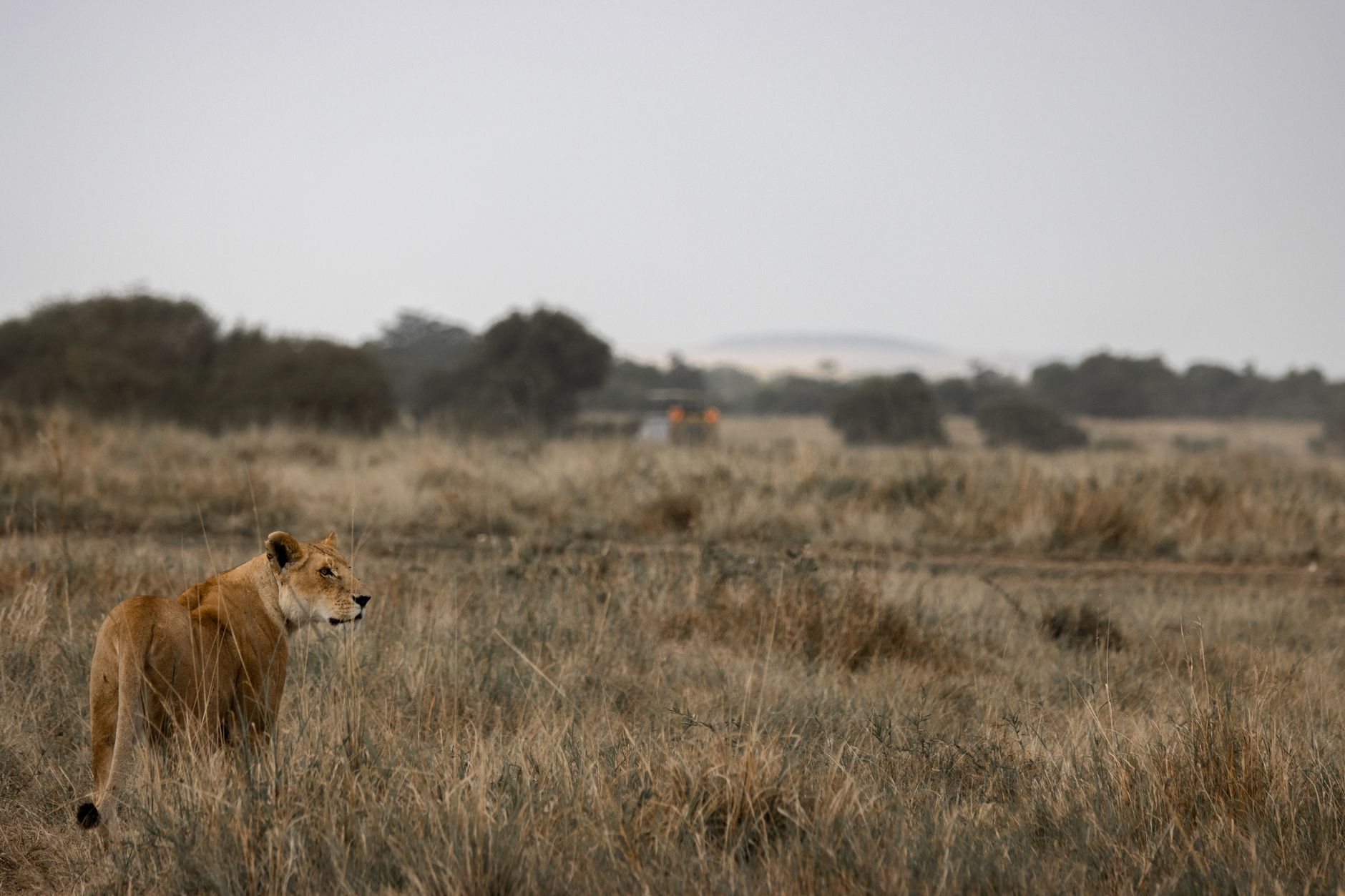
Tsavo is strongest for elephants, large landscapes, lions, buffalo and the chance to combine the open plains of Tsavo East with the volcanic scenery and springs of Tsavo West. Laikipia is stronger for black and white rhino, Grevy’s zebra, wild dogs and conservation-led sightings, especially around Ol Pejeta and nearby conservancies.
Tsavo’s wildlife is spread out. Your vehicle can cover long distances between sightings. In Tsavo East, elephant herds are often visible against red soil and baobabs. Lions and buffalo follow prey across the grasslands. Tsavo West adds water-dependent species around Mzima Springs, including hippos and crocodiles.
Laikipia’s species are more concentrated because conservancies manage water and habitat. Black rhino are a major draw, and Lewa Wildlife Conservancy is one of Kenya’s key rhino sanctuaries. You also meet Grevy’s zebra, reticulated giraffe and endangered wild dogs. The conservation model means guides usually know exactly where to look.
| Destination | Strongest for | Character of sightings |
|---|---|---|
| Tsavo East | Elephants, lions, buffalo | Open country, long views, red soil |
| Tsavo West | Hippos, crocodiles, birds, volcanic landscapes | Bush and spring-fed habitats |
| Laikipia conservancies | Black and white rhino, Grevy’s zebra, wild dogs | Focused, guided by resident rangers |
Can You Do Walking Safaris and Night Drives in Both?
Tsavo generally keeps visitors in safari vehicles on designated tracks, with game drives as the core activity. Laikipia’s private conservancies can offer guided walking, night drives, off-road viewing, horseback safaris and camel experiences, although rules differ by conservancy and activities require qualified guides. This makes Laikipia the better choice for active, varied safari days.
Kenya’s national parks, including Tsavo, usually do not allow walking for regular visitors, and night driving is restricted. Game drives happen at dawn, during the day and often until sunset, but vehicles stay on established tracks.
In Laikipia, each conservancy sets its own rules. At Ol Pejeta and Lewa, guided walks with armed rangers are part of the experience. Night drives can reveal aardvark, serval and other nocturnal species. Off-road wildlife viewing lets guides position the vehicle for better photographs. Some camps also offer horse riding or camel treks. Check the specific conservancy before you book, because not every property allows every activity.
How Do Landscapes, Privacy and Crowds Compare?
Tsavo delivers raw scale: red soil, baobabs, lava landscapes, dry plains, bush and the contrasting terrain of its East and West sections. Laikipia feels more intimate and varied, combining plateau grassland, ranch country, escarpments and conservancy camps. Both can feel uncrowded, but Laikipia usually offers greater privacy because camps control access to private land.
Tsavo is one of Kenya’s largest protected areas. That scale can feel exhilarating, but it also means long drives between sightings. The park welcomes many visitors from the coast, yet the area is so big that you can often have a view to yourself.
Laikipia’s conservancies are smaller by comparison, but they limit visitor numbers. Camps sit on private land, so there are fewer vehicles and a more intentional pace. If you value silence, walking country and a feeling of being somewhere less processed, Laikipia is hard to beat.
What Is the Best Time to Visit Tsavo and Laikipia?
The dry seasons are usually easiest for wildlife viewing in both destinations because vegetation thins and animals gather near water. Tsavo can be rewarding outside peak dry months when landscapes are greener and crowds fall. Laikipia’s wildlife and activity mix stay attractive across more of the year. Pick dates around rainfall, road conditions and target species.
Kenya has two rainy periods: the long rains from roughly March to May and the short rains around November. The dry months of June to October are reliable in both regions, and January to February is usually dry too.
Green-season travel can still work. Tsavo’s scenery becomes lush, and Laikipia’s conservancy roads tend to be better maintained than some national-park tracks. If you want specific species, timing matters. Great migrations do not pass through either area, so you are looking at resident wildlife. For rhinos, visit Laikipia’s conservancies when daily routines are stable, which is most of the year.
| Season | Tsavo | Laikipia |
|---|---|---|
| Jun to Oct, dry | Best for wildlife; heat and dust | Excellent; roads accessible |
| Jan to Feb, dry | Good; birds after rains | Very good; reliable sightings |
| Mar to May, long rains | Quiet and green; some roads slippery | Quieter; walks may be limited |
| Nov to Dec, short rains | Fewer visitors; young animals | Good; mix of clear and wet days |
How Do Access, Costs and Trip Length Compare in 2026?
Tsavo works well for travelers linking Nairobi with the coast, though its size means long distances between sightings. Laikipia is reached by road or light aircraft from Nairobi and usually costs more because conservancy fees and guided activities are built into camp rates. Allow at least two nights; three gives more room in Tsavo or Laikipia.
Access to Tsavo East is easy from Voi or Manyani gates. Tsavo West is often reached from the Chyulu Hills side or from the Mombasa-Nairobi highway. Many safaris combine Tsavo with the coast or with Amboseli. Laikipia’s airstrips make flying practical, and a road transfer from Nairobi takes most of a day.
Costs differ for structural reasons. National-park entry fees for Tsavo are set by Kenya Wildlife Service, and accommodation at lodges and camps varies widely. Conservancy fees in Laikipia are usually higher because they fund security, community programs and anti-poaching patrols. Guided walks and night drives are often included in a Laikipia camp rate, while Tsavo’s game-drive package may have a simpler daily structure.
For planning, full-board rates run across a broad range. The table below gives indicative per person per night figures, not fixed quotes.
| Accommodation tier | Tsavo, indicative per person per night | Laikipia, indicative per person per night |
|---|---|---|
| Mid-range lodge or camp | $220 to $450 | $400 to $800 |
| Luxury camp | $500 to $1,000 | $900 to $1,800 |
| What is included | Room, meals, park fees sometimes separate | Room, meals, conservancy fee, selected activities |
For a fuller picture of how these figures fit into a national budget, see our Kenya safari cost guide.
If you plan to combine Tsavo with other parks, read how to avoid fatigue on a multi-park Kenya safari before you set the itinerary.
Which Safari Is Best for Different Travelers?
Pick Tsavo if you want vast wilderness, classic game drives, elephants, flexible mid-range options or a practical Nairobi-to-coast route. Pick Laikipia if rhinos, conservation, walking, night drives, privacy and smaller camps matter more than high concentrations of animals. Families, photographers and first-time visitors should compare exact camp rules, road times and activity access before choosing a region.
Tsavo suits travelers who enjoy the raw national-park experience and do not mind time in the vehicle. It is also a natural fit for a safari that starts or ends with a Diani Beach stay. For more park-specific planning, see the Tsavo safari guide.
Laikipia suits travelers who want a working conservation story, not just an animal checklist. Photographers often prefer Laikipia’s controlled off-road viewing and smaller vehicle counts. Families may find walking options too demanding for small children, so check camp minimum ages. First-timers usually do well in either, as long as expectations match the pace.
Conservancy models in Laikipia also support ethical viewing because guides follow strict rules. For principles that apply to any Kenya safari, read about ethical wildlife encounters in Kenya.
What Do Travelers Ask About Tsavo and Laikipia?
Travelers usually ask the same five questions when comparing the two destinations: which has better wildlife, how access differs, whether walking is possible, which costs more and how many days to set aside. The answers below are short and practical, so you can match them to your own travel style.
Is Tsavo or Laikipia better for safari?
Neither is universally better. Tsavo suits travelers who want huge national-park landscapes, elephants and classic vehicle game drives, while Laikipia suits visitors prioritizing rhinos, conservation, privacy and activities such as walking or night drives.
What is the difference between Tsavo and Laikipia?
Tsavo is a large national-park ecosystem divided into Tsavo East and Tsavo West. Laikipia is a landscape of privately managed and community conservancies, including Ol Pejeta, Lewa, Borana and Loisaba, so access rules, activities and camp experiences vary between properties.
Which has better wildlife, Tsavo or Laikipia?
Tsavo is excellent for elephants, buffalo, lions and broad wilderness scenery, while Laikipia is especially strong for rhinos, Grevy’s zebra and wild dogs. Tsavo can feel more spacious and unpredictable; Laikipia often provides more focused sightings through conservancy management and specialist conservation programs.
Can you do walking safaris in Tsavo and Laikipia?
Walking safaris are generally associated with private Laikipia conservancies and must be conducted with qualified guides under local rules. Tsavo’s standard visitor experience is vehicle-based, with activities and movement controlled by national-park regulations.
Is Laikipia more expensive than Tsavo?
Laikipia is often more expensive per night because private conservancy rates commonly include exclusivity, conservation fees and several guided activities. Tsavo has a wider range of accommodation, including more accessible options, although luxury camps in either destination can be costly.
Where Can You Compare Tsavo and Laikipia Safari Packages?
Live itineraries and rates change often, so the most useful next step is to compare packages side by side. The platforms below do exactly that, and they cover both Tsavo and Laikipia across different camp tiers and travel styles. This keeps the choice in your hands.
Browse packages through operators such as FindMySafari, Valley Safaris and Trunktrails Safaris. Use them to compare safari operators and read camp descriptions before making a decision. That way, you can match a Tsavo or Laikipia itinerary to the wildlife, activities and budget that fit you best.
Where Can You Find More Safari Planning Resources?
- Tsavo East and West map from SafariPure
- Kenya wildlife tours from Trunktrails Safaris
- Map of Tsavo from Valley Safaris
- Tsavo destination guide on FindMySafari